GST, TDS and compliance
CGST, SGST and IGST Explained with Easy Examples
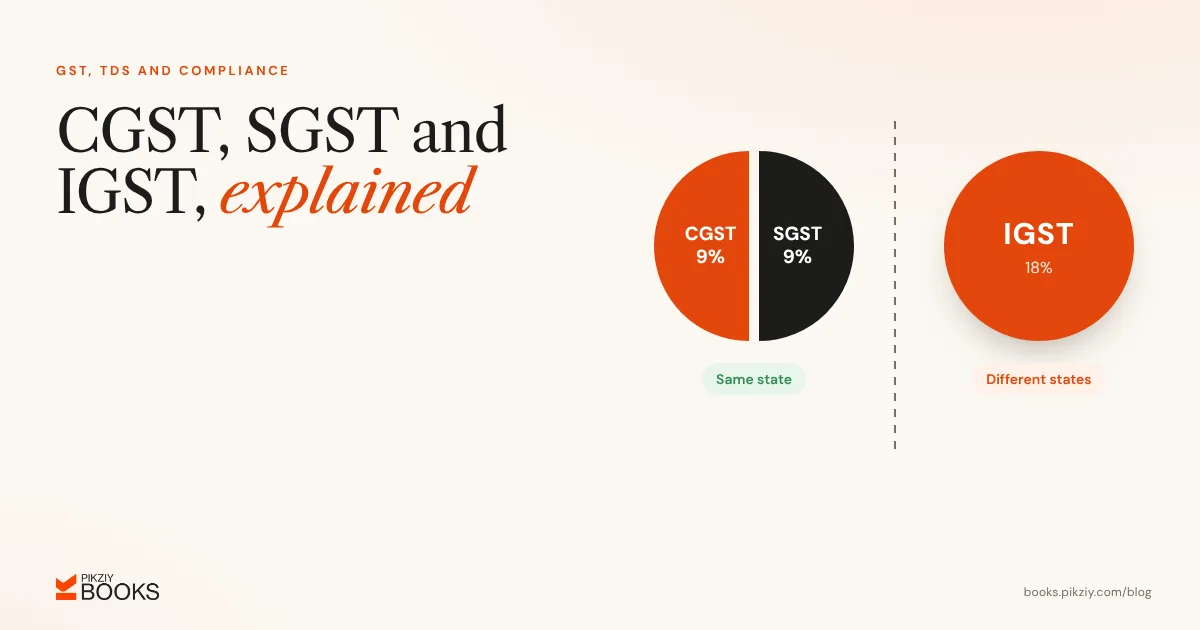
CGST, SGST and IGST explained: when to charge each one, how the place of supply decides it and how the tax is split, with clear rupee examples for India.

Plain-English guides to GST invoices, returns, input tax credit and TDS for Indian freelancers and small businesses, with worked rupee examples.
CGST, SGST and IGST explained: when to charge each one, how the place of supply decides it and how the tax is split, with clear rupee examples for India.
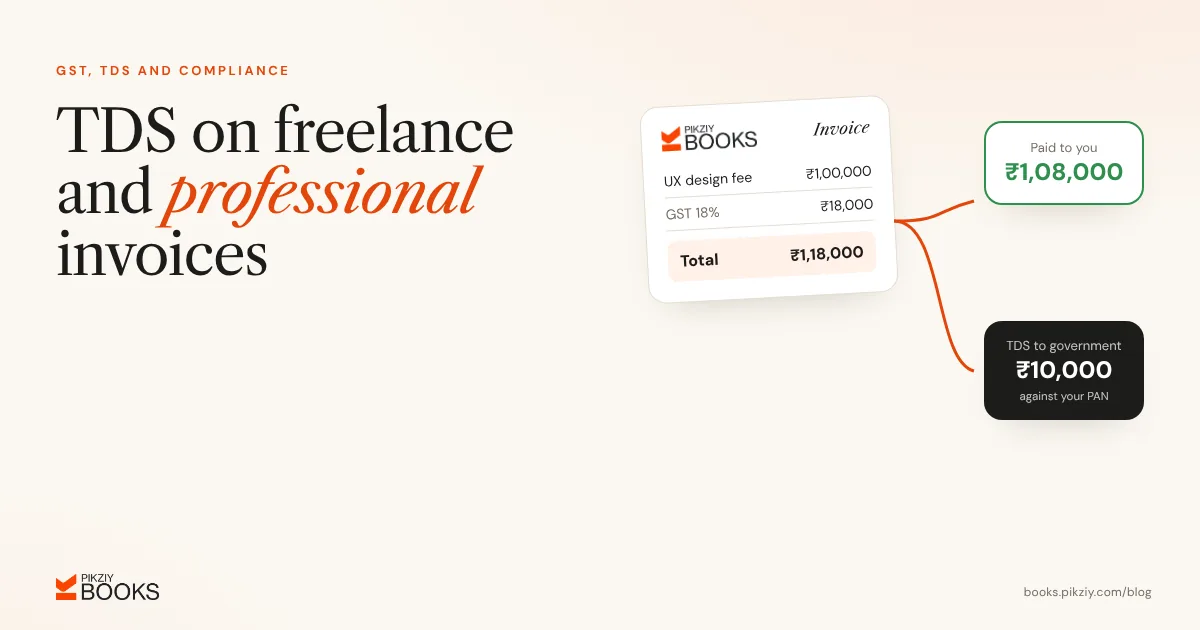
From April 2026, TDS on professional fees falls under section 393 of the Income-tax Act, 2025. Rates, thresholds, examples and how freelancers claim credit.
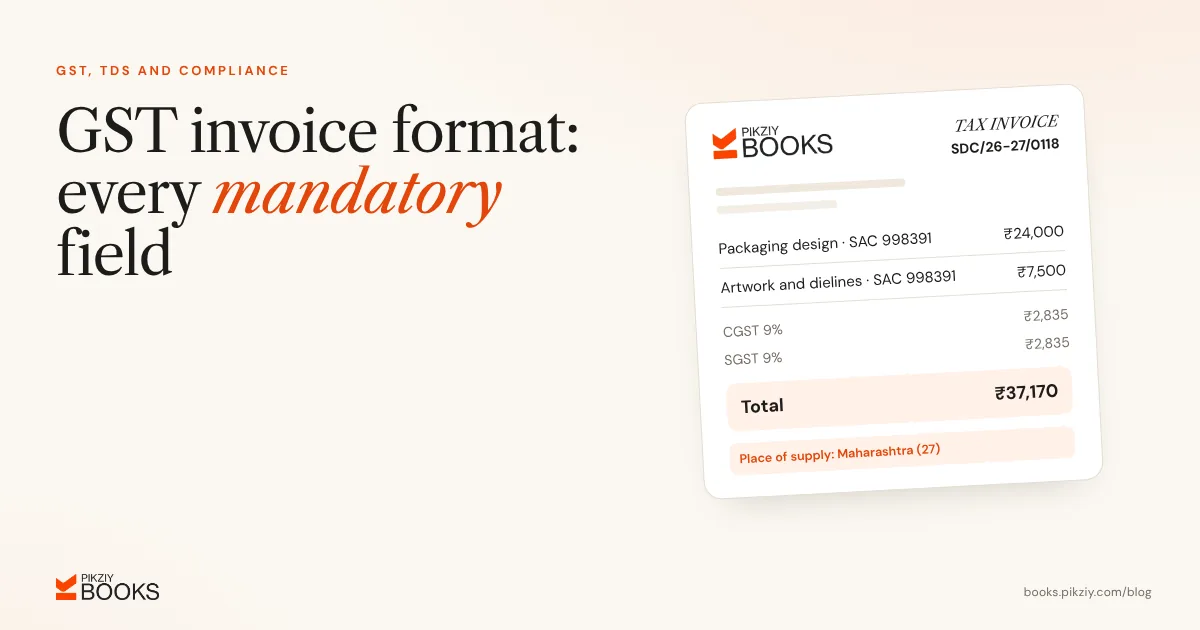
The complete GST invoice format under Rule 46: every mandatory field, B2B vs B2C rules, HSN/SAC digits, time limits and a worked example you can follow.
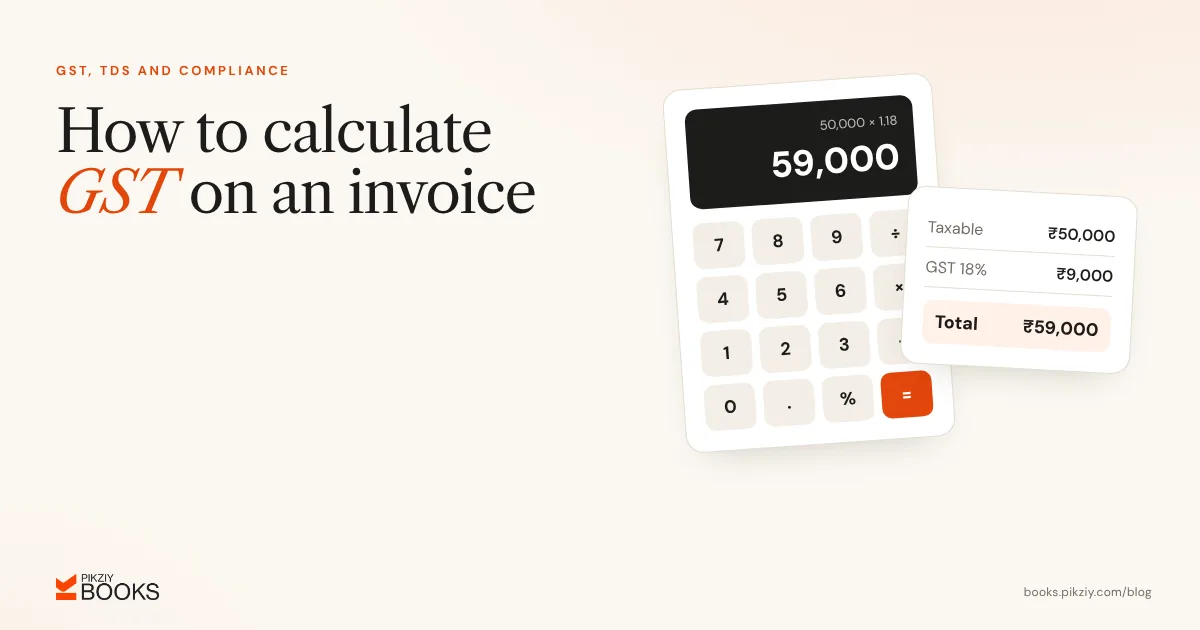
How to calculate GST on an invoice, step by step: adding GST to a price, removing it from an inclusive amount, discounts and multi-rate invoices.
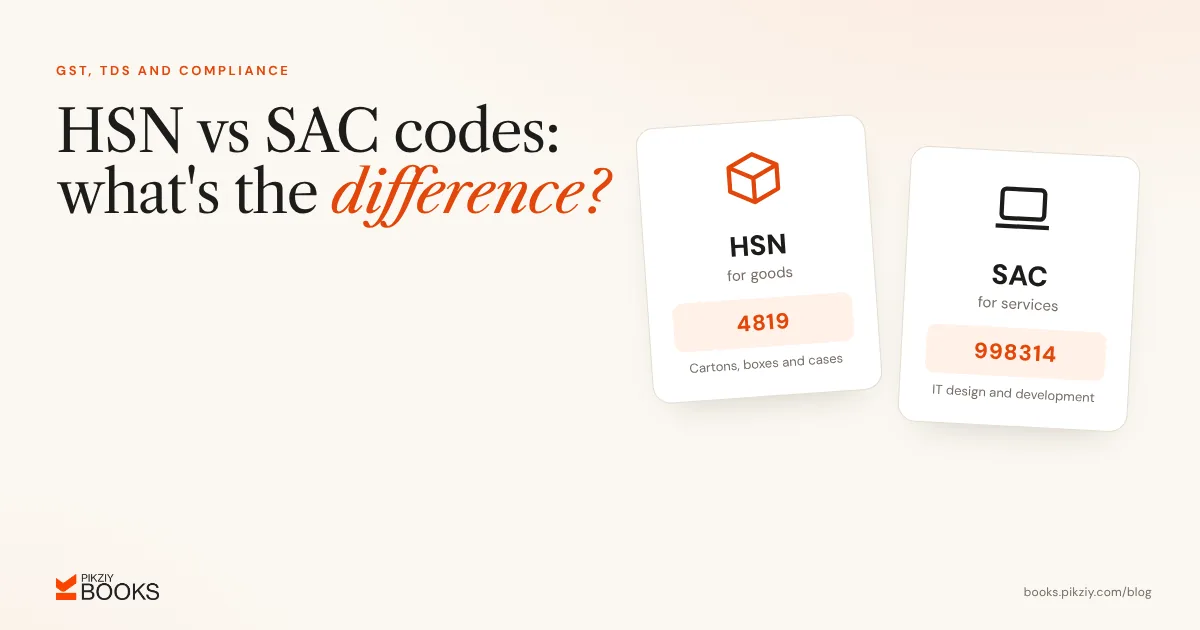
HSN vs SAC: HSN codes classify goods and SAC codes classify services under GST. The difference, how many digits to show and where to look them up.
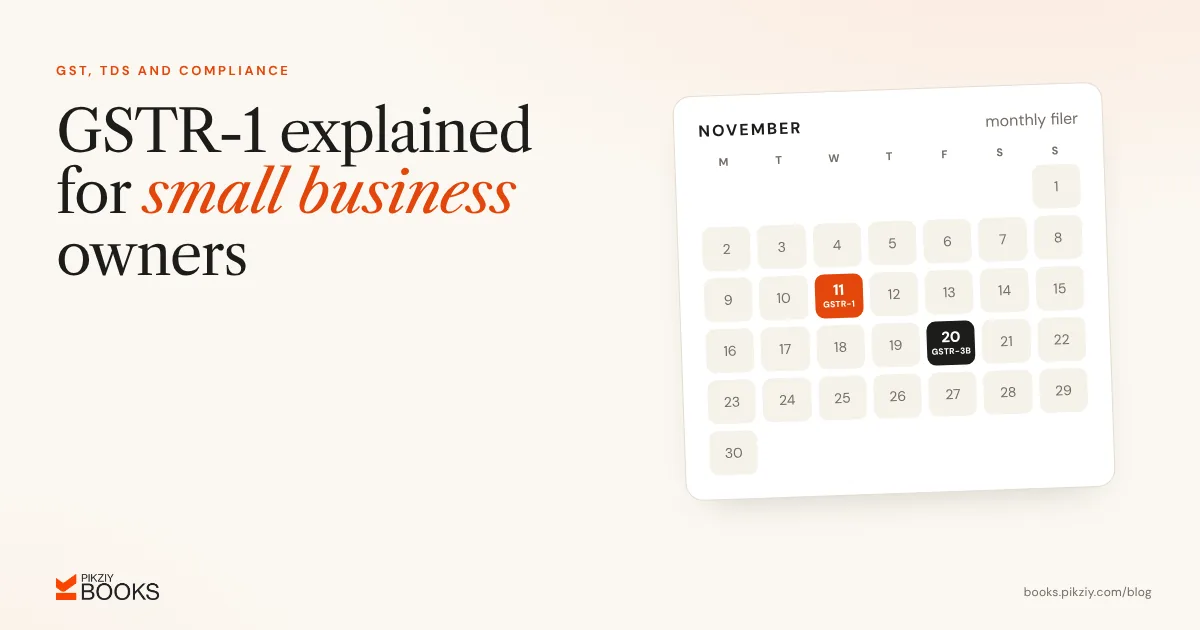
GSTR-1 reports your sales to the GST portal. Learn who files it, monthly and QRMP due dates, the main tables, how it feeds GSTR-3B and the errors to avoid.
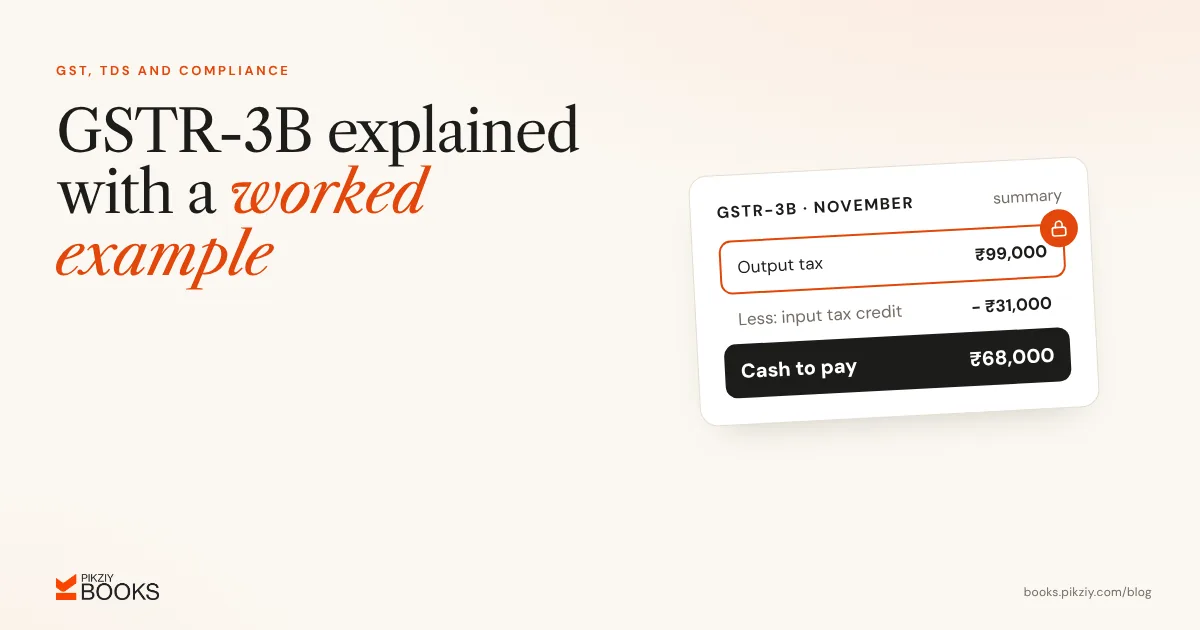
GSTR-3B is your monthly GST summary and payment return. Understand its tables, the 2025 liability lock, ITC and RCM, set-off order and a worked rupee example.
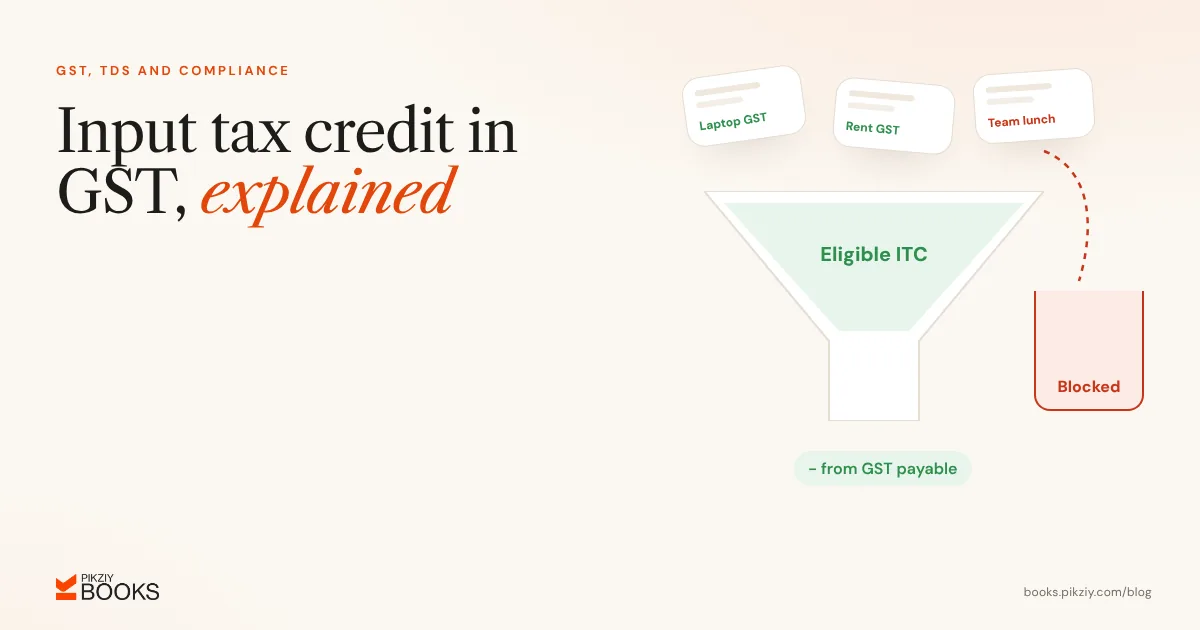
Input tax credit lets you reduce GST payable by the tax paid on business purchases. See eligibility conditions, blocked credits, time limits and an example.
GST for freelancers in India: when to register, how export of services and LUT work, what rate to charge, how to invoice and which records to keep.
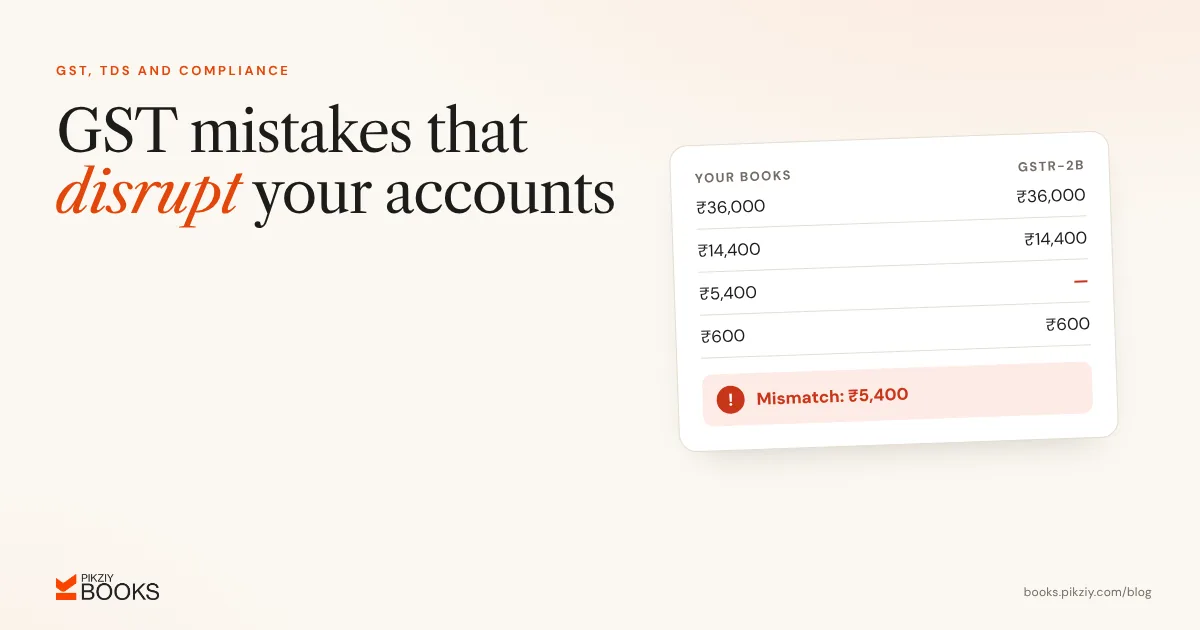
Wrong rates, wrong codes, unmatched ITC and late returns cause notices and cash flow pain. The 10 most common GST mistakes and how to prevent them.